Cargo · June 3, 2026
The Difference Between Warehouse and Warehousing in Logistics
Similar but not the same, warehouses and warehousing have differences that affect the logistics process. Read the full differences in this article!
Familiar with the terms warehouse or warehousing? Did you know that although similar, these two terms are not the same.
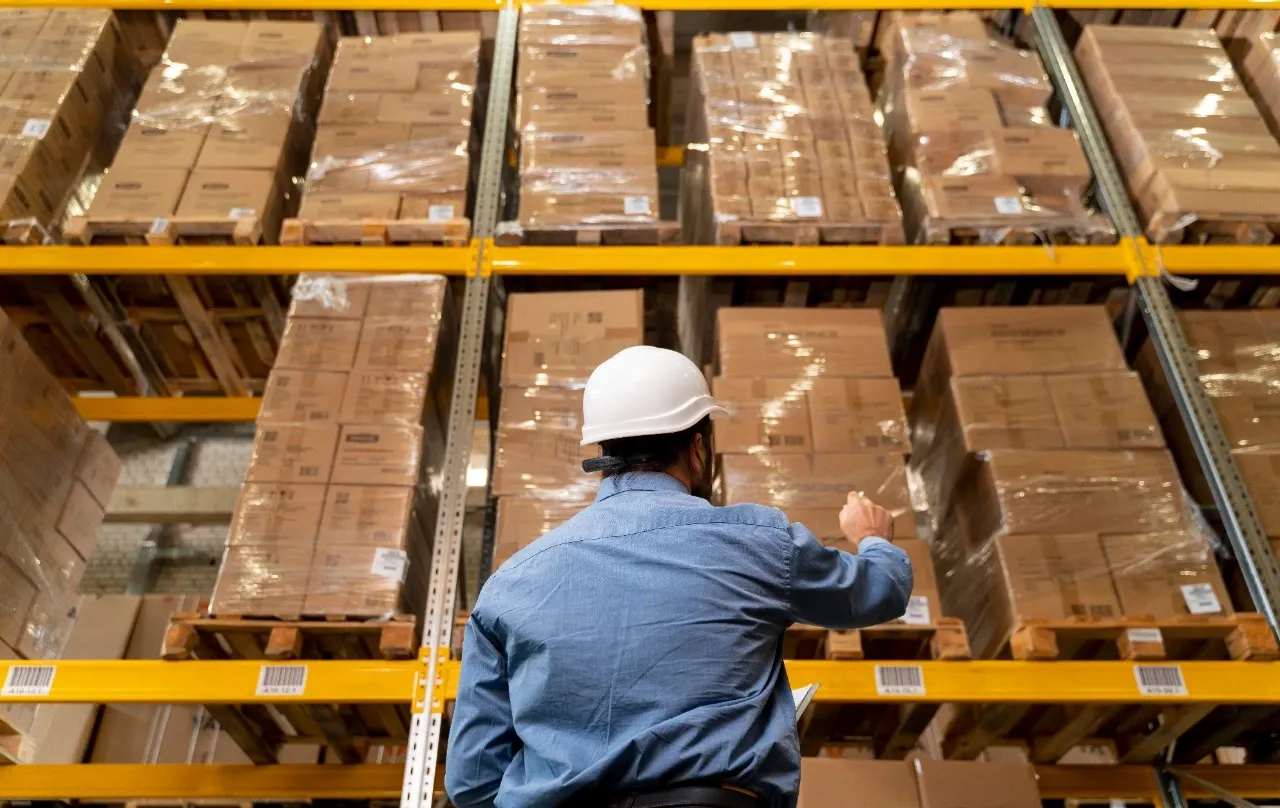
In short, a warehouse is a building used to store goods by producers, importers, exporters, wholesalers, and shipping businesses.
A warehouse is used for storage, and storage only.
While warehousing is the activity of storing goods that will be distributed later.
Warehousing is an important part of the retail supply chain. Warehousing and inventory storage affect various aspects from sourcing raw materials, managing inventory efficiently, to shipping orders to customers on time.
Warehousing is fundamental to the success of any business that sells physical goods. Warehousing helps you store inventory, re-package, and use eCommerce shipping solutions at scale.
This article will detail the core functions of warehousing, its importance, benefits, and even what a warehouse is.
Warehouse
A warehouse is a building that stores products for storage, packing, and shipping preparation.
A warehouse is the central point that manages product inbound and outbound activities. A warehouse is crucial for any business that sells physical goods or receives wholesale products.
As business sales grow, the need for physical space to store and package goods also increases.
Depending on the company's needs or preferences, some service providers can handle separate warehouse-related tasks. There are various types of warehouses for different businesses, but each warehouse provides safe storage for products.
Warehousing
Warehousing is the process of storing physical goods or inventory in a warehouse before they are sold or distributed.
A warehouse will store products in an organized manner, making it easy to track the location of goods, when goods arrive, how long goods have been there, and the quantity on hand.
Warehouse vs Warehousing
A warehouse is used only for storage, and storage only.
A warehouse has a loading dock for loading and unloading goods, but this is usually limited to activities that take place in the warehouse.
A warehouse can be designed to receive goods directly from trains, airports, or ports, and is usually equipped with cranes and forklifts to move and arrange goods.
Some warehouses are temperature-controlled, making them suitable for storing food, other perishable goods, and other materials including raw materials, packaged foods, spare parts, and much more.
Although warehouses can be beneficial for some businesses, not all retailers use them because warehouses are more suitable for those looking for long-term storage options.
Warehousing describes a facility that serves the purpose of storing goods.
In e-commerce, warehouses are primarily used to store goods as inventory to ensure short shipping times can be met.
Clearly, there are many other uses for warehouses beyond e-commerce. Imagine a production warehouse with spare parts or a warehouse to serve as a buffer between production and shipping.
Whatever the use of a warehouse, everything follows the same principle of the inbound-storage-outbound process: goods come in, are stored, and go out again.
The inbound process is the process of receiving goods into a warehouse. This process includes goods inspection, return goods inspection, unloading, and labeling (or relabeling).
This process is very important because if errors occur, it will result in incorrect stock information and may disappoint customers.
The outbound process includes the work required to remove goods from a warehouse. This activity includes order picking, but can extend to order consolidation, packing, value-added services, and much more.
The outbound process is often done using paper lists but can be easily digitized using barcode scanners. There are many technologies available to streamline the outbound process, each with its own advantages and disadvantages.
Read: 4 Steps to Create a Stock Opname Report
Why is Warehousing Important?
Warehousing is important for businesses that export, import, transport, and produce goods.
Having one central location for product storage makes it easier to track products and helps ensure that customers receive orders on time.
When storage and shipping are timely, it will provide cost savings and increased productivity.
The impact of warehousing on the inventory process:
Fulfilling Orders Efficiently
Warehousing makes it easy to store, ship, and distribute goods from a single location. This also makes it easier to track and manage inventory efficiently.
Not only that, warehousing can also reduce transportation costs, increase flexibility, and reduce staffing needs.
Value Added to Operations
Warehousing helps with timely product shipping and distribution, which will increase worker productivity and customer satisfaction.
Warehousing helps reduce errors, damage to goods, and prevents them from being lost or stolen during the order fulfillment process.
Thus, with timely goods shipping and increased brand value in customer perception.
Reducing Risk to Products
Warehousing is an insured process, which means if products are damaged or stolen, the company will receive compensation to help replenish stock in the warehouse.
Storing goods in a temperature-controlled warehouse will protect goods from spoilage and prevent unwanted color or texture changes.
Logistics Warehousing
Logistics warehousing includes warehouse management, warehousing services, operations, and warehouse management systems.
1. Warehouse Management
Warehouse management is the daily activity in a warehouse to promote, improve, and ensure operational excellence. Managing a warehouse means overseeing all staff, training, inventory, equipment, safety and security, relationships with shipping operators, and other moving parts.
2. Warehousing Operations
Warehousing operations refer to the processes that occur in a warehouse around goods movement and inventory tracking.
Warehousing principles include receiving inventory, then placing each SKU in a separate dedicated storage location (for example, on shelves, in bins, or on pallets), and shipping the product to the next destination.
3. Warehouse Management Systems
A warehouse management system (WMS) is a type of software that provides the tools needed to manage warehouse operations and inventory movement to save time and eliminate manual processes.
Warehouse management systems optimize inventory and tracking, warehouse operations, workload distribution, and shipping.
Warehousing and Supply Chain
Supply chain is designed to fulfill orders faster than ever before, and warehousing logistics play a direct role in making it happen.
To move finished goods through the supply chain, most inventory is shipped from producers to warehouses.
Some warehouses are used for long-term storage while others conduct the entire order fulfillment process, depleting inventory very quickly.
Unlike a warehouse as a storage facility, warehousing process includes picking, packing, and shipping orders to customers.
These activities can be managed entirely by individual retailers or outsourced to third-party logistics cargo companies that manage fulfillment at scale.
Read: How Supply Chain Management Works for Companies
Full Support for Your Business
It's easier to take the next step in your eCommerce business now that you have a strong understanding of warehousing. Being able to identify the right warehouse fit and relevant partnerships can be time-consuming; don't rush. Remember that no two businesses are exactly the same, so make your warehouse decisions based on your personal needs.
Whatever your shipping needs, ABC Express can help you ship cargo smoothly to its final destination.
ABC Express is a domestic and international cargo shipping company that operates regular services without interruption throughout Ramadan, around the world.
Contact ABC Express Our team is ready and willing to answer any questions you have and move your goods.
Learn more about ABC Express Services!