Cargo · June 3, 2026
Operational Best Practices of Shell Fuel Stations: Inspiration for Efficient Distribution in Indonesian Logistics
Learn from Shell Fuel Stations: efficient distribution is not just fast routes—but a combination of technology, safety, and strategy, equally relevant for large freight logistics to remote areas.
Shell Fuel Station Overview in Indonesia
August 2025, many drivers were surprised to find a notice board in front of Shell Fuel Stations: some favorite fuel types like Shell Super, Shell V-Power, and Shell V-Power Nitro+ were unavailable. In their official statement, Shell Indonesia confirmed that supply was disrupted and could not yet confirm when products would resume flowing to their network.
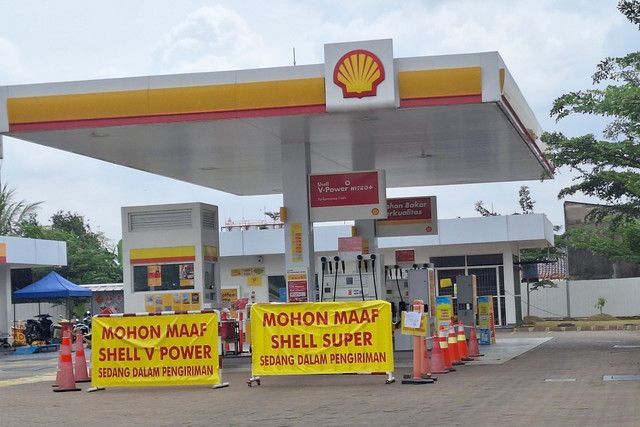
As reported on Detik.com, the fuel shortage is reportedly due to private fuel stations beginning to run out of stock. This issue highlights an important point for supply chain and logistics professionals: how stability in energy distribution can impact consumer experience.
Since entering in 2005, Shell Indonesia became the first foreign player to enter Indonesia's fuel distribution sector after liberalization. By 2025, they operate more than 180 Shell fuel stations, with the largest concentration in Jabodetabek, Bandung, and Surabaya. The target market is clear: middle-to-upper consumers seeking better fuel quality, comfortable service, plus modern retail facilities.
Shell's key attraction lies in its product differentiation. Fuel series like Shell Super and Shell V-Power are known for high performance. Even when premium gasoline supply was temporarily withdrawn, Shell Diesel remained available and became Shell's only product by late September 2025.
This demonstrates how the brand still retains its appeal due to the global quality reputation already embedded in consumer minds.
This raises a big question: how does Shell Fuel Station actually maintain its distribution network in Indonesia to preserve consumer loyalty?
Shell Terminal & Fuel Station Network
Shell's logistical strength begins with its upstream distribution. They have a main fuel terminal in Gresik, which serves as a major hub to distribute supply to various points. From this terminal, fuel is shipped to fuel stations and regional depots using a specialized tanker truck fleet.
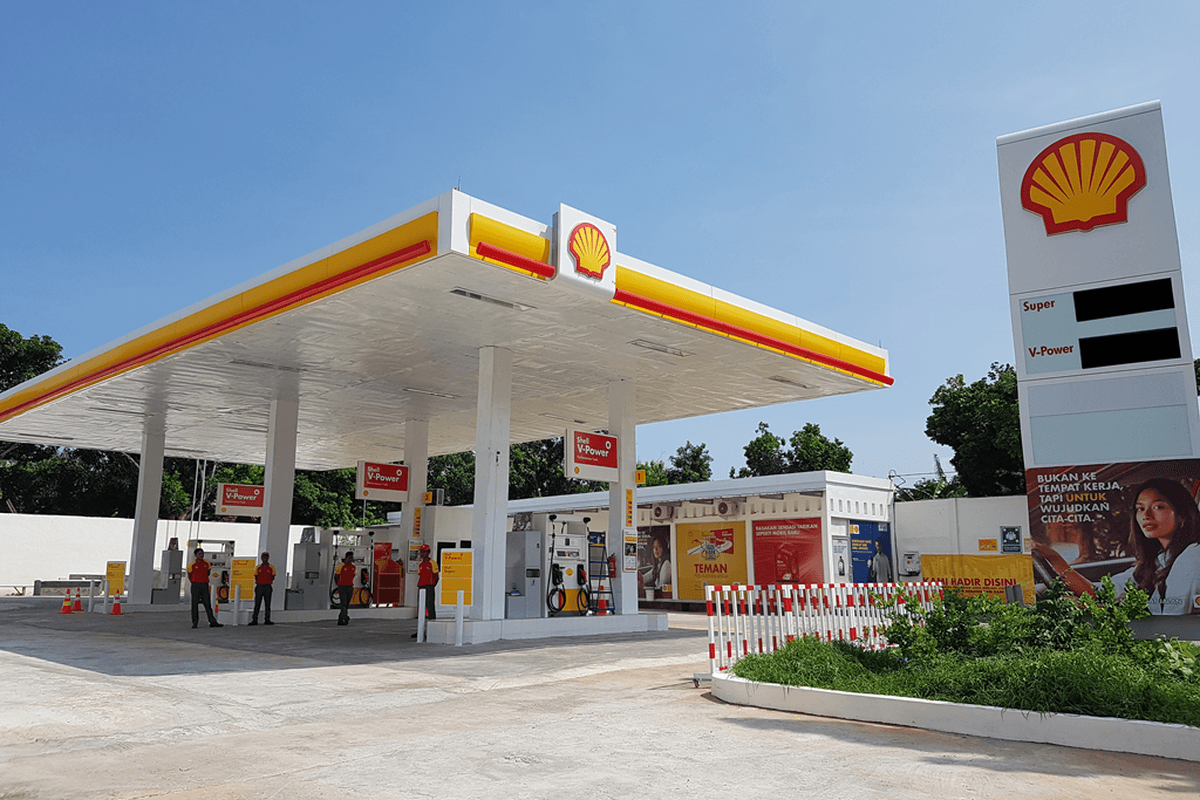
The placement of Shell Fuel Stations is not arbitrary.
Their locations are typically strategic, both in major cities and on highways, to capture consumers seeking both convenience and quality. With premium positioning, each fuel station is designed to be more than just a place to fill up fuel. Consumers can find clean bathrooms, convenience stores, and additional services that enhance the customer experience.
As a result, customer loyalty is built not only through fuel quality but also through consistency in the retail experience. From a supply chain perspective, this demands efficient distribution, well-managed inventory, and a tanker fleet fast enough to meet the daily needs of each fuel station.
In the next section, we will examine more deeply how Shell's distribution architecture works, from terminals and depots to the role of tanker trucks in maintaining buffer stock and supply stability.
Shell's Fuel Distribution Architecture Overview
Imagine a morning at a Shell Fuel Station on the Jakarta-Cikampek toll road. Dozens of vehicles have been lining up since dawn, demand is high, but the storage tank beneath the pump can only hold stock for several days. To ensure consumers never run out of fuel, distribution must run on time, repeatedly, and with discipline every day.
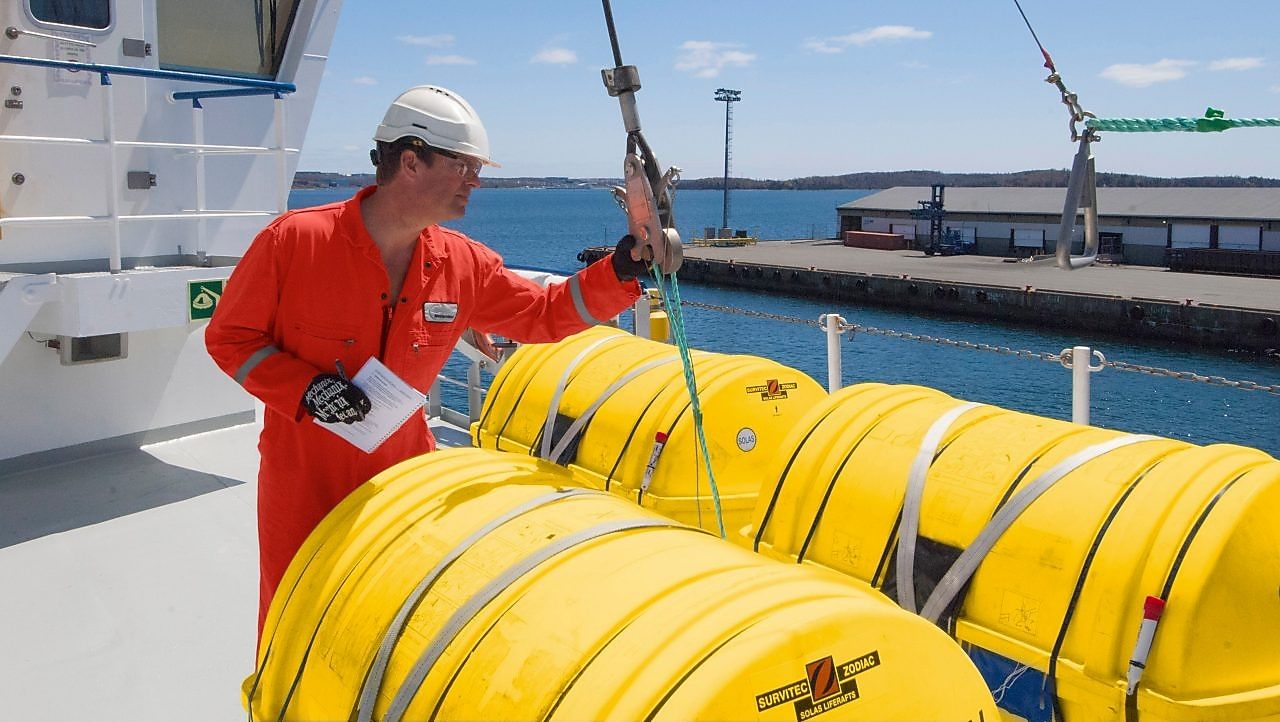
Behind the scenes, Shell's distribution chain moves with a relatively similar pattern throughout Indonesia:
1. Fuel Terminal – for example, the main terminal in Gresik. This is where large supplies enter, then are processed and distributed to the distribution network.
2. Regional Depot / Sub-terminal – serves as an additional buffer point. Not all regions have them, but in dense areas this is important to maintain stock resilience.
3. Tanker Truck Fleet – the backbone of distribution. Route and schedule flexibility is key, because they must ensure supply reaches every fuel station without delay.
4. Shell Fuel Stations – the spearhead that directly serves consumers. Limited buffer stock must still exist here to anticipate demand spikes or potential delays in fleet delivery.
This type of fuel distribution demands high delivery frequency, strict safety procedures, and real-time monitoring systems.
From the loading process at the terminal to unloading at fuel stations, everything is regulated with detailed SOPs starting from pressure standards, spillage procedures, to driver safety checklists.
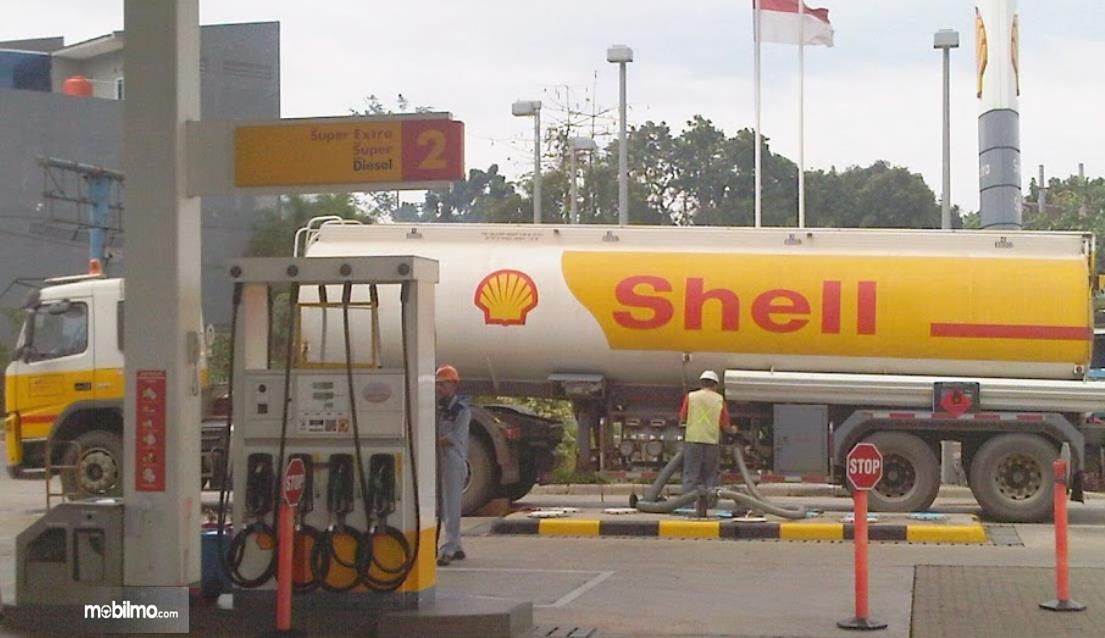
For logistics professionals, there is an important insight here: when large and critical volumes must move every day, supply chain cannot depend on a single point. Resilience lies in distribution discipline and transportation partners that can navigate difficult routes.
This principle also applies to many other industrial sectors.
Similarly, shipping heavy and large goods to remote areas also requires a partner with an appropriate fleet, flexible routes, and expertise in handling difficult terrain. This is where ABC Express comes in as a company partner, ensuring your large cargo shipping arrives on time, even to hard-to-reach locations.
In the next section, we will examine operational best practices: fleet management, route optimization, predictive maintenance, and safety SOPs, practices that can serve as benchmarks for the logistics industry outside the energy sector.
Also read: Guide to Importing Cargo by Sea
Operational Best Practices
Behind the fuel pump that is always ready to serve, there is efficient logistics orchestration. Shell not only relies on its tanker truck fleet, but also adopts global supply chain best practices to ensure every liter of fuel reaches Shell Fuel Stations on time and safely.
Its four main pillars are:
- Route optimization – every tanker truck journey is planned with the most efficient route. The goal is clear: save time, reduce costs, and ensure more reliable delivery.
- Real-time monitoring – truck position and fuel volume can be monitored in real-time. With this system, delays can be anticipated early on.
- Predictive maintenance – the fleet is maintained not only when broken, but based on data. This prevents sudden downtime that could disrupt supply to fuel stations.
- Safety SOPs – international standards are strictly enforced, from loading at the terminal to unloading at the fuel station. Given that fuel is a dangerous liquid, safety discipline is non-negotiable.
These practices are what maintain Shell's operational continuity. Without a healthy supply chain, it would be impossible for them to maintain the premium customer experience that has been associated with the brand.
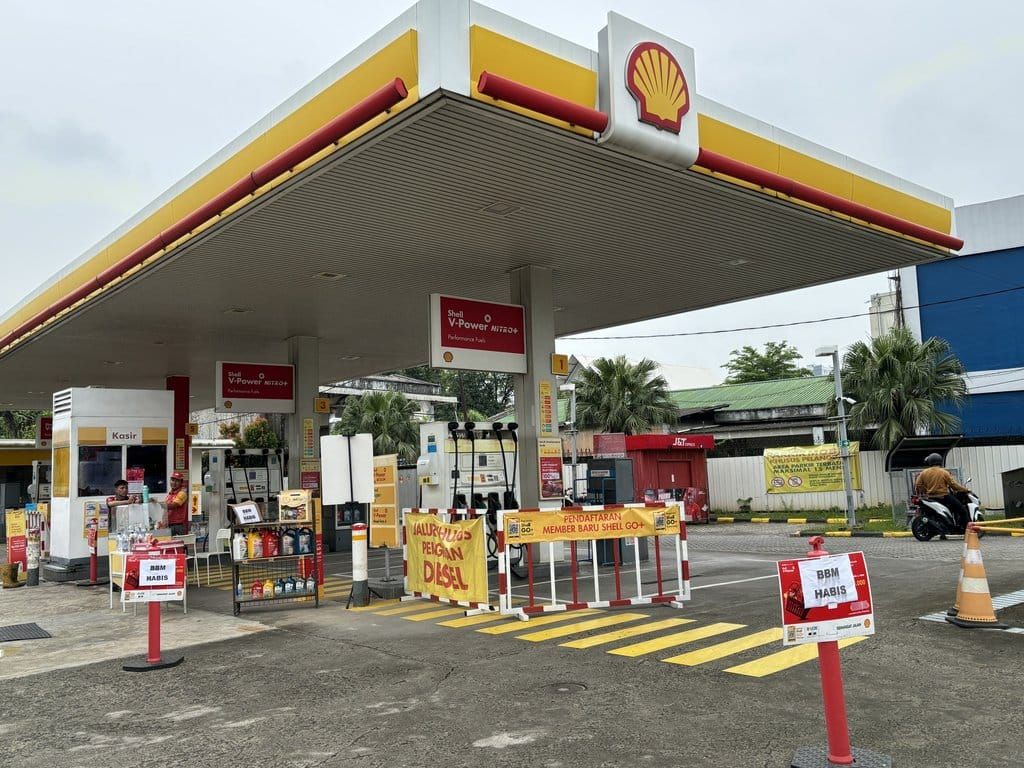
For you logistics professionals, the lesson here is clear: modern supply chain requires a combination of efficiency, visibility, and safety discipline. The same principle applies when a company must ship heavy goods to remote areas. Terrain may be different from fuel distribution, but the management challenges are similar—long routes, limited access, and the risk of fleet downtime.
At this point, ABC Express can be a relevant partner. With experience handling cargo shipping large and heavy to the most remote areas of Indonesia, we are ready to help your company build a more resilient distribution chain. Free consultation is available for businesses that want to ensure goods arrive on time, even at hard-to-reach locations.
Also read: How to Ship Super Heavy and Large Goods
Conclusion
Shell demonstrates that the success of energy distribution depends not only on the product, but also on operational excellence: well-managed fleet, optimized routes, real-time monitoring, and world-class safety SOPs.
These best practices can serve as a model for other logistics sectors in Indonesia, including the distribution of large and heavy goods to remote areas.
At this point, the challenges are similar: how to ensure goods arrive on time, safely, and efficiently despite going through difficult routes and far from the distribution center.
This is where ABC Express Cargo comes in as a partner, not just a service provider.
With experience managing shipments to challenging locations, we help clients develop efficient distribution plans, reduce the risk of additional costs, and ensure shipping continues even to the most remote areas of Indonesia.
If you want to ensure large and heavy goods arrive safely to hard-to-reach destinations, schedule a free consultation with the ABC Express Cargo team. Let's map out the routes and solutions that best fit your distribution needs.