
Cargo · June 3, 2026
What Does Shipping Mean? Understanding Its Role in Supply Chain and Business Expansion
Shipping means the process of sending goods as part of the supply chain and business distribution strategy. Understand the terms shipper, shipping status, and its role in company expansion with ABC Express.
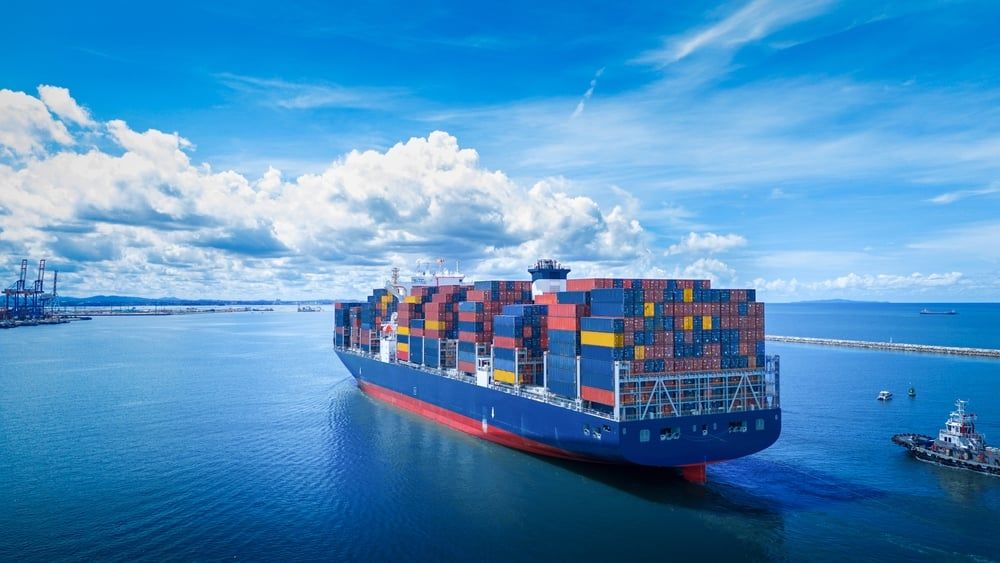
Shipping means the process of sending goods from one location to another via land, sea, or air routes as part of a distribution system and supply chain.
In a business context, shipping is not just an activity of "sending goods". Shipping involves distribution planning, inventory management, lead time, logistics costs, and customer experience at the final point.
When you manage a company, every decision about shipping directly impacts cash flow, inventory turnover, customer satisfaction, and brand reputation.
This is where ABC Express serves as a B2B cargo partner that supports your business expansion throughout the archipelago through a fast, safe, and measurable distribution system.
The Meaning of Shipping in Delivery & Business Operations
Generally, shipping in delivery means the process of transferring goods from sender (shipper) to receiver (consignee). However, in the modern logistics world, shipping involves several important elements:
- Transportation (land, sea, air)
- Freight management
- Tracking system
- Warehouse handling
- Distribution network
- Risk management
In manufacturing, FMCG, or large retail, shipping becomes part of supply chain management. Even reports from the World Economic Forum in their supply chain disruption report show that distribution disruptions can directly impact global business stability.
This means if shipping is disrupted, company operations are also affected.
That's why many companies are now switching to B2B cargo services that have integrated systems and clear SLAs.
The Meaning of Shipping in Online Shop vs B2B Distribution
Many people are familiar with shipping from the context of online shopping. In e-commerce, shipping is often associated with delivery status such as:
- Order processed
- Shipped
- In transit
- Delivered
However, in B2B logistics, shipping has higher complexity. You might be sending:
- Large quantities of goods (bulk shipment)
- Production machinery
- Raw materials
- Products between warehouses
- Inter-island distribution
According to data on e-commerce growth in Indonesia, this sector continues to increase every year.
This growth drives the need for a more efficient national distribution system.
If your business wants to expand its market reach, then inter-island shipping becomes the foundation for expansion.
ABC Express helps companies reach customers in various regions of Indonesia without having to build their own distribution infrastructure.
Who is a Shipper and What is Their Role in the Distribution Chain?
Shipper means the party that sends goods. In a B2B context, a shipper is usually:
- Producer
- Distributor
- Importer
- Manufacturing company
According to Investopedia, the definition of shipper in international trade is that a shipper is responsible for packaging, documentation, and delivery of goods to the carrier.
In the logistics ecosystem, the flow is like this:
Shipper → Carrier (shipping company) → Consignee
Shipping company means a company that provides shipping services or freight forwarding.
As a logistics company, ABC Express acts as a carrier that helps shippers manage shipping with tracking systems, route management, and structured operational control.
If you want to discuss your company's distribution needs, WhatsApp the ABC Express team to help you develop a shipping scheme that matches the volume and nature of your goods.
Understanding Shipping Status: Why is Each Stage Important?
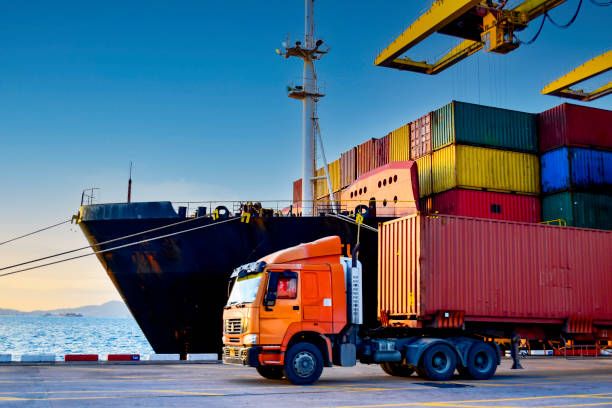
Shipping status means real-time information about the position and stage of goods shipment. In practice, you will find several of the following terms:
1. Order Confirmed
Goods have been registered in the system.
2. Picked Up
The logistics team collects goods from the shipper's location.
3. In Transit
Goods are in transit to the hub or destination city.
4. Arrived at Hub
Goods have arrived at the distribution center.
5. Out for Delivery
Goods are heading to the receiver's location.
6. Delivered
Goods have been received by the consignee.
For a logistics manager, understanding shipping status helps you:
- Manage lead time
- Set safety stock
- Avoid stockouts
- Maintain SLA with clients
Data from the Central Bureau of Statistics shows that the transportation and warehousing sector continues to grow as national distribution activities increase.
With the right monitoring system, you can minimize delay risks and optimize distribution flow.
Domestic vs International Shipping: What's the Difference for Companies?
![Shipping Terms: An A-Z Glossary [2025 Update]](https://wbgwfjjoeceqopozvmdm.supabase.co/storage/v1/object/public/strapi-media/uploads/local/6996cb811efc29d65aac4243_shipping_terms_f1d29fff01.jpeg)
International shipping means the process of sending goods across borders. This process involves:
- Customs (custom clearance)
- HS code
- Freight documentation
- Incoterms
- Cross-border compliance
According to the World Bank Logistics Performance Index, logistics efficiency is an indicator of a country's competitiveness.
Although ABC Express focuses on domestic distribution, we apply operational standards equivalent to modern logistics practices. Our route systems, risk management, and operational control are designed to ensure safety and timely delivery.
For companies building regional expansion, choosing a company logistics service with national distribution experience is a strategic move.
Why Understanding Shipping Meaning is Important for Business Owners?
Shipping affects many aspects of your business:
1️⃣ Cash Flow
The faster goods arrive, the faster invoices are processed.
2️⃣ Inventory Management
Stable distribution maintains inventory balance in the warehouse.
3️⃣ Customer Satisfaction
On-time delivery increases trust and repeat orders.
4️⃣ Brand Reputation
Organized logistics reflects company professionalism.
McKinsey even mentions that supply chain optimization can significantly increase profitability.
When you view shipping as part of business strategy, you no longer see it as a cost, but as a growth investment.
Shipping is Not Just Sending Goods, But a Business Expansion Strategy

Many companies stop growing because of distribution constraints. Products are ready, demand exists, but the logistics system isn't supporting it.
If you want to:
- Reach off-island markets
- Open new branches
- Increase distribution volume
- Optimize the supply chain
Then you need an integrated national distribution solution.
ABC Express supports your business development throughout the archipelago with stable shipping networks, controlled fleet, and experienced operational teams.
We understand that each industry has different characteristics—from fragile goods, heavy cargo, to large-volume shipping between warehouses.
If you want to get a picture of a more efficient shipping scheme for your company, consult via WhatsApp with the ABC Express team to discuss directly with our team about route planning, cost estimates, and lead times.
Conclusion
Shipping means more than just sending goods. Shipping is part of the distribution system, supply chain management, and company expansion strategy.
When you understand what shipping means, what shipper means, what shipping status means, and what international shipping means, you can make more strategic and measurable logistics decisions.
In the midst of Indonesia's rapidly growing logistics industry, choosing the right cargo partner will determine how fast your business grows.
ABC Express is ready to be the fastest, safest, and most comfortable cargo partner to support your business development throughout the archipelago.
Because in the end, solid logistics doesn't just deliver goods, but also delivers your business growth.